5 Reasons to Buy a 2026 Volkswagen Taos
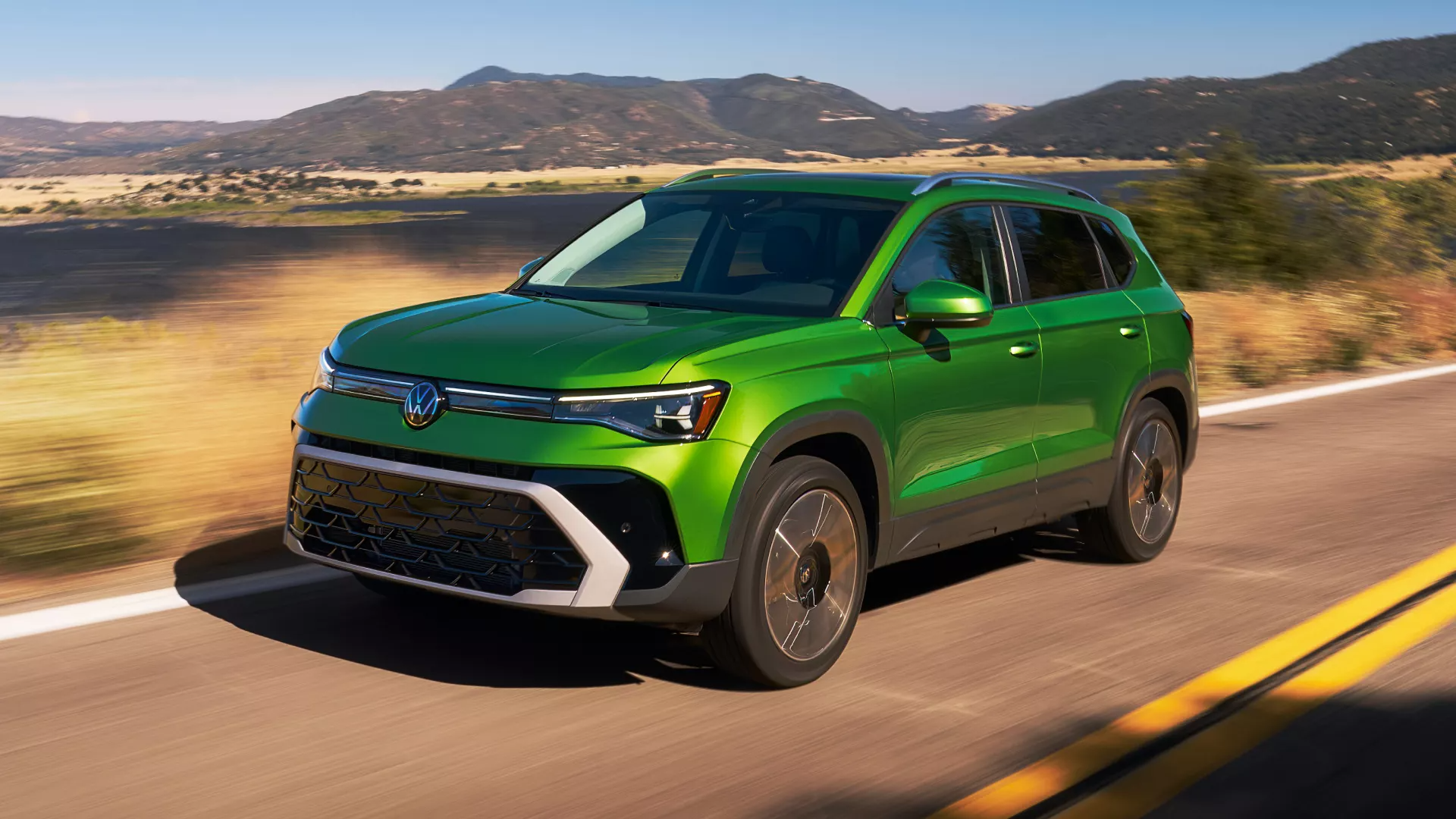
The 2026 Volkswagen Taos continues to strengthen its position as one of the most practical, efficient, and refined subcompact SUVs in the market....
Read more
Grenier Volkswagen
118 Montée Masson, Mascouche, QC, J7K 3B5The 2026 Volkswagen Atlas and the 2026 Volkswagen Atlas Cross Sport may share a family name, but they’re designed for different priorities and lifestyles. While both are rooted in Volkswagen’s commitment to comfort, capability, and modern technology, each SUV brings its own unique strengths to the road. For buyers navigating between these two three-row-capable choices—or those just exploring midsize Volkswagen SUVs—understanding their key differences can make the decision much clearer.
Here are 10 key differences that set the 2026 Volkswagen Atlas and the 2026 Volkswagen Atlas Cross Sport apart.
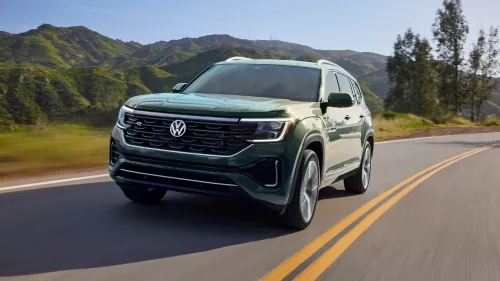
The most obvious difference is in body style. The 2026 Volkswagen Atlas is designed as a traditional family SUV with a boxier profile and a taller roofline. This design maximizes interior space and cargo capacity, especially for third-row occupants.
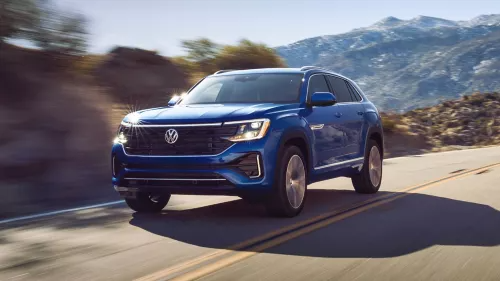
By contrast, the Atlas Cross Sport adopts a more sleek, coupe-like silhouette. Its sloped roofline and sportier stance give it a more dynamic appearance, but this comes at the expense of some rear headroom and cargo volume compared to the full Atlas.
The standard Atlas for 2026 is engineered to comfortably seat up to seven passengers with its three rows of seating. Families, carpoolers, and those who regularly transport larger groups will appreciate the Atlas’s roomy accommodations.
The Atlas Cross Sport, while still a three-row SUV, is more oriented toward style and comfort for smaller groups. It typically seats up to five passengers as the third row is smaller and optional, making it less ideal for adults on long journeys.
Thanks to its more upright design, the 2026 Atlas offers greater cargo capacity, especially behind the third row. Whether you’re loading strollers, luggage, or gear for a weekend getaway, the Atlas provides more usable space.
The Atlas Cross Sport, with its sportier roofline, sacrifices some cargo room in favour of aesthetics. While still competitive within its segment, overall cargo volume is less than what the full-size Atlas delivers.
Both the 2026 Atlas and Atlas Cross Sport offer powerful engine choices, including Volkswagen’s turbocharged options that balance performance and efficiency. However, the Atlas has slight tuning and gearing differences optimized for towing and low-end torque — features that matter for drivers carrying heavier loads or towing trailers.
The Atlas Cross Sport, on the other hand, favors a slightly sportier character in its tuning, with a suspension setup that leans toward handling agility and everyday driving comfort.
The Atlas is engineered with a focus on comfort and composure, especially for long highway drives and family trips. Its suspension is tuned to absorb road imperfections while maintaining stability with a full passenger load.
The Atlas Cross Sport features a suspension tuned for a more responsive feel. Drivers who prioritize sharper handling and a more engaging on-road experience may find the Cross Sport more satisfying in everyday driving scenarios.
With a larger overall footprint, the Atlas’s third row is roomier and more accessible — especially for adults. Rear headroom and legroom are superior thanks to the SUV’s vertical roofline and generous wheelbase.
The Atlas Cross Sport’s third row is better suited for children or occasional use. Taller adults may find the space tighter, and access can be slightly more constrained after the sloped roofline design.
Both SUVs are capable tow vehicles, but the 2026 Atlas often pulls ahead when it comes to maximum towing capacity thanks to its chassis and powertrain calibration. For buyers who plan to tow boats, campers, or heavy trailers regularly, the Atlas is the more capable choice.
The Atlas Cross Sport still offers respectable towing numbers but is better geared toward everyday hauling and lighter towing needs.
The Atlas has a traditional SUV profile with a bold, upright front fascia, squared wheel arches, and a design that emphasizes practicality and presence on the road.
In contrast, the Atlas Cross Sport leans into a sportier, more aerodynamic aesthetic. Its coupe-like roofline, aggressive stance, and sleeker proportions appeal to buyers who prefer a more athletic visual identity.
Both 2026 Atlas models feature Volkswagen’s intuitive infotainment system with touchscreen connectivity, smartphone integration, and advanced driver assists. However, the availability of certain premium options can differ between trims.
For example, the Cross Sport may prioritize sport-oriented interior accents and design elements, while the Atlas focuses more on family-friendly features like rear-seat entertainment or optional comfort upgrades in the third row.
Perhaps the biggest difference lies in who each SUV is built for. The 2026 Volkswagen Atlas is tailored for families and individuals who need maximum space, comfort, and capability for passengers and cargo alike. It’s the go-to choice for daily driving with the kids, long road trips, and versatile lifestyle needs.
The 2026 Volkswagen Atlas Cross Sport, meanwhile, is crafted for buyers who want the presence and capability of a midsize SUV with a more spirited design and on-road feel. Its sportier character and stylish profile make it ideal for couples, smaller families, or those prioritizing design and driving dynamics.
Both the 2026 Volkswagen Atlas and Atlas Cross Sport are impressive SUVs with refined driving dynamics, modern technology, and generous safety features. But by understanding how they differ in design, space, performance focus, and practical functionality, prospective buyers can choose the model that best aligns with their lifestyle and priorities.
Whether you place a premium on maximum space and comfort or lean toward sportier style and driving feel, Volkswagen offers a compelling midsize SUV to fit your needs.
5 Reasons to Buy a 2026 Volkswagen Taos
The 2026 Volkswagen Taos continues to strengthen its position as one of the most practical, efficient, and refined subcompact SUVs in the market....
Read more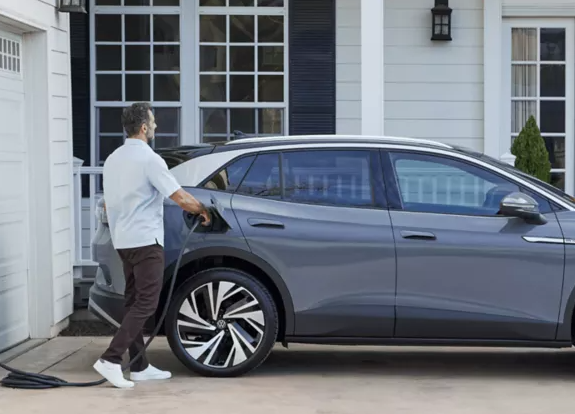
How to Charge Your Volkswagen Electric Vehicle the Smart Way
Volkswagen electric vehicles are designed to make daily ownership simple, intuitive, and efficient—and charging is a big part of that experience....
Read more
Powered and developed by